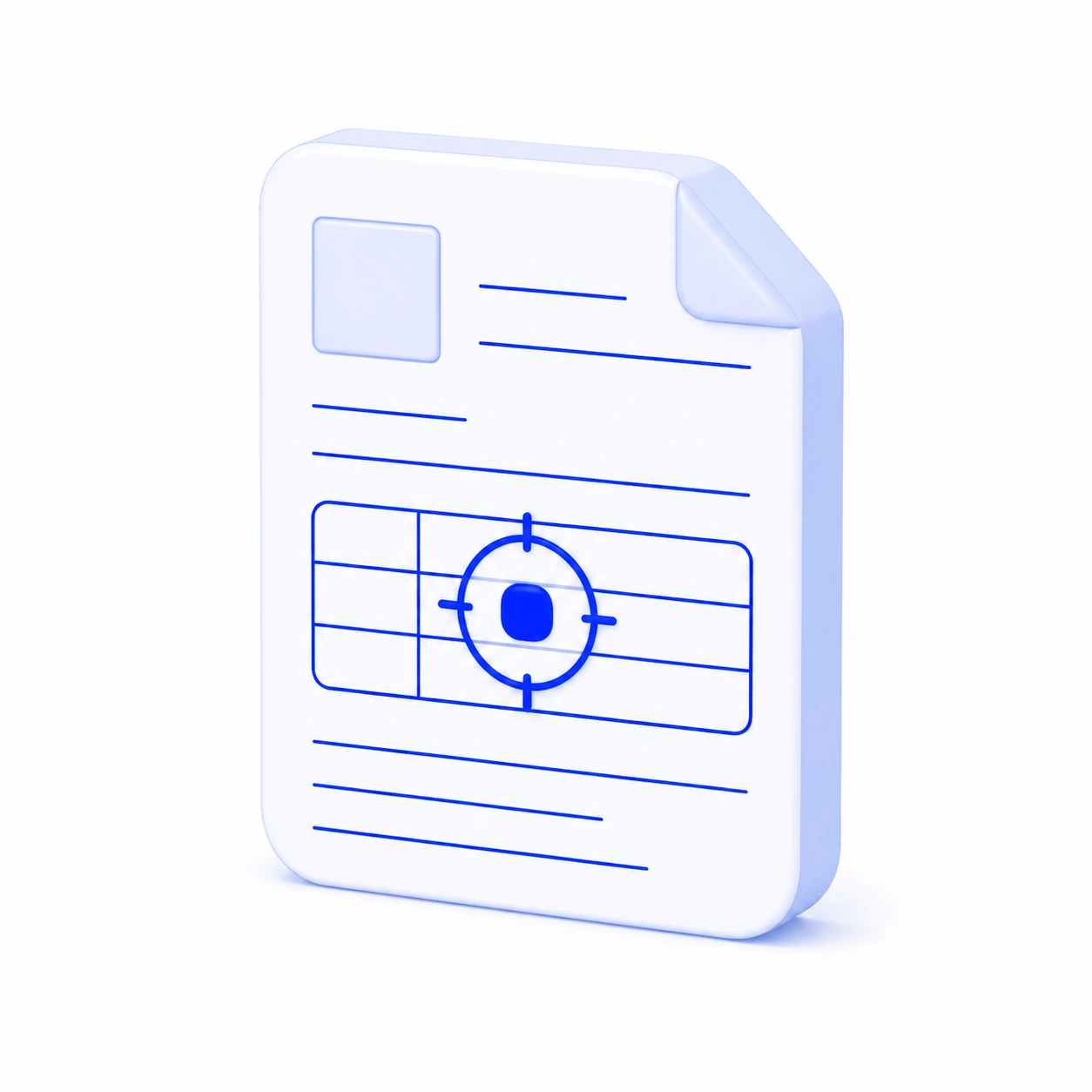

Business documents in real intake formats
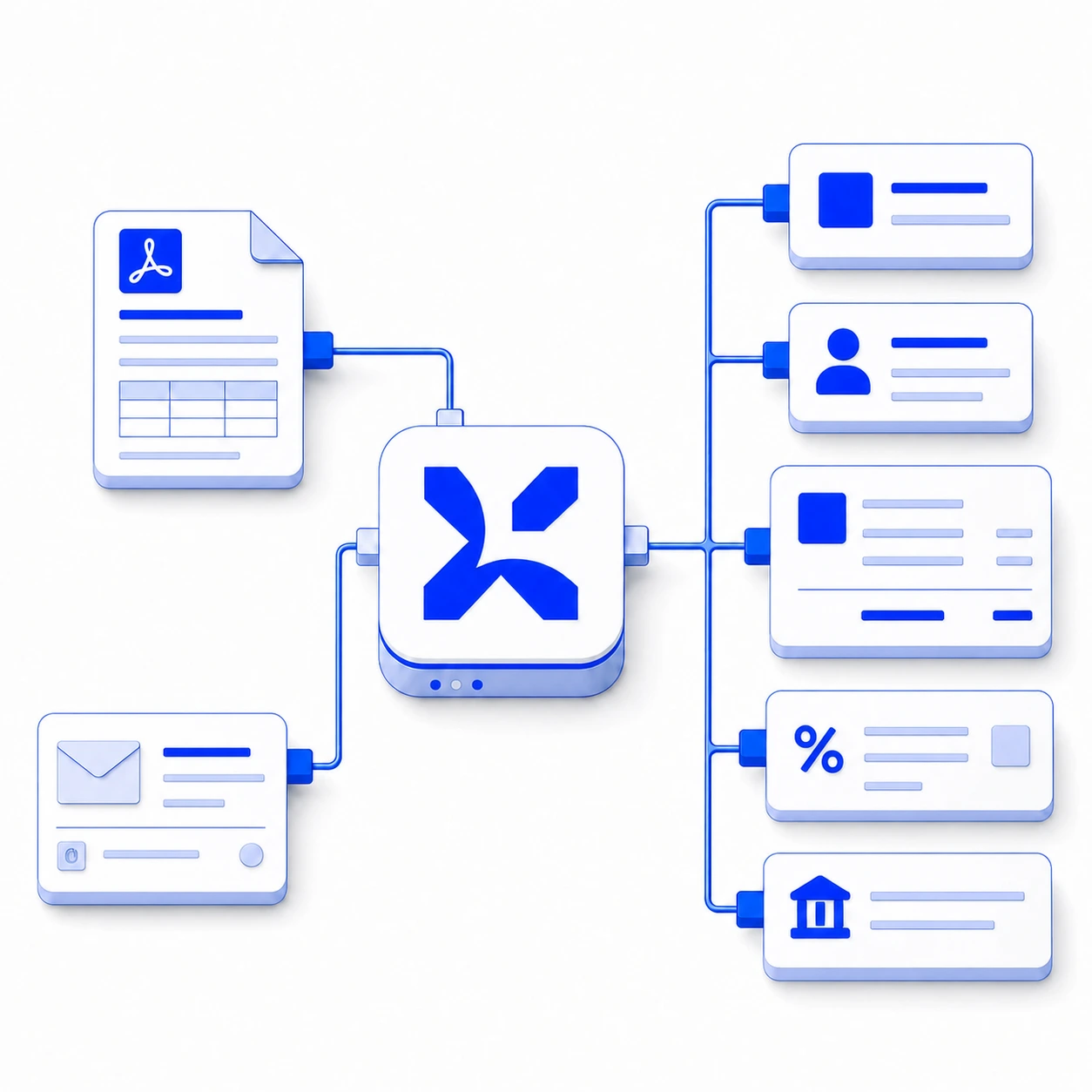
PDFs, scans, images, emails, HTML, text, XML, Word files, EDI-style payloads, and e-invoice documents can move through the same ingestion surface.
How it works
exdata gives teams one document API, then wraps extraction with deterministic parsers, e-invoice handling, AI interpretation, previews, run metadata, and account controls.
Inputs and outputs
PDFs, scans, images, emails, HTML, text, XML, Word files, EDI-style payloads, and e-invoice documents can move through the same ingestion surface.
exdata combines deterministic extraction, machine-readable invoice data, and AI interpretation to return structured fields with useful processing context.
Responses use predictable field names, dot-decimal amounts, ISO currency and country codes, tax breakdown rows, account parties, and payment details.
Extraction surface
Production extraction needs observable states, repeatable retries, review context, and versioned behavior. exdata exposes those pieces instead of hiding them behind a single black-box response.
Queued, processing, completed, error, and blocked states separate upload acceptance from extraction completion.
Previews and thumbnails help review teams inspect the original document when a result needs review.
Processing and normalization versions make behavior easier to understand and compare over time.
Tokens, documents, usage, billing, team roles, webhooks, and settings live under account-scoped workspaces.
Field coverage
The standard field set is shown here, including nested tax breakdown values. Custom extraction fields can add account-specific keys when a workflow needs them.
Next